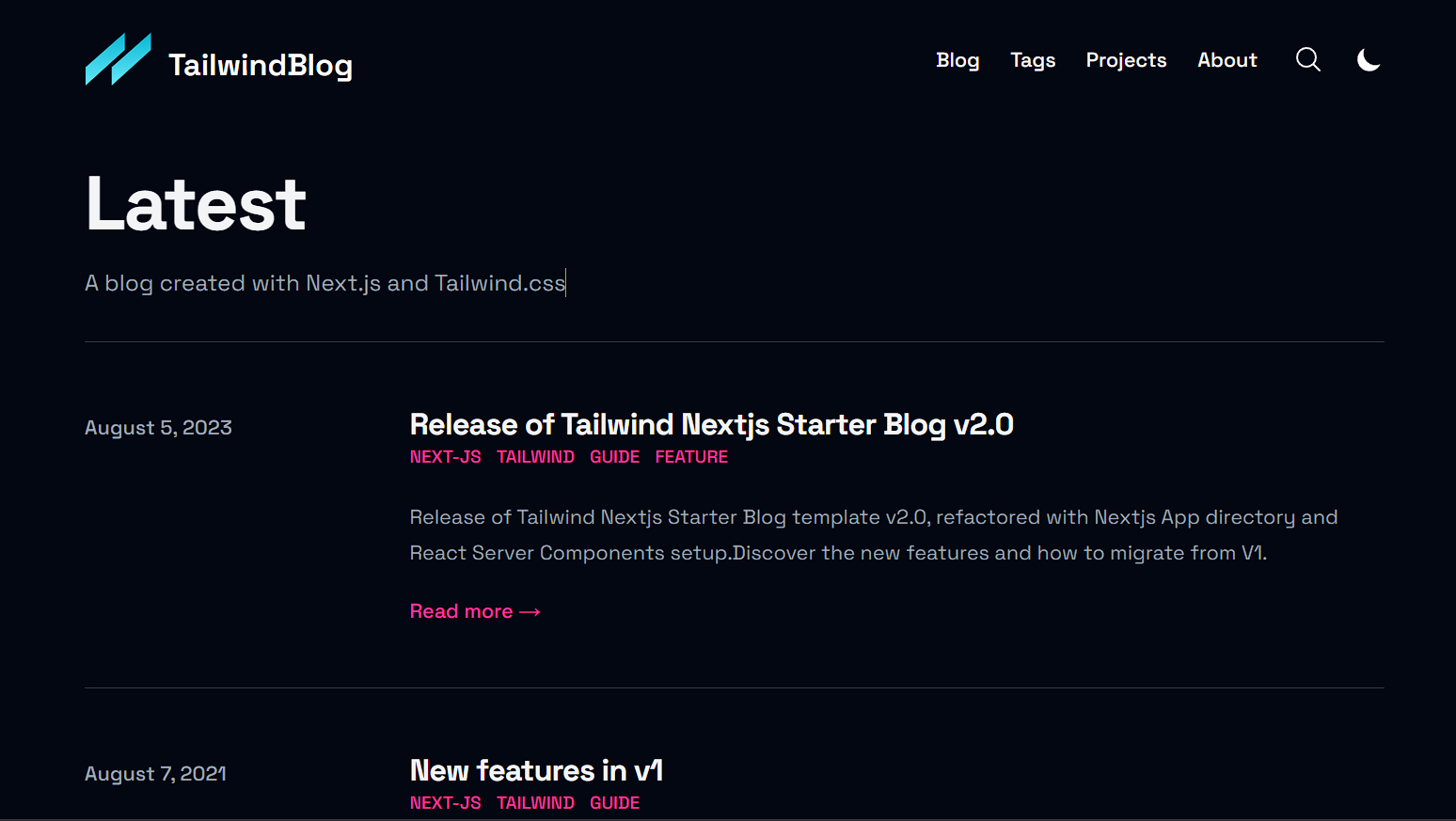
What is NextJS?
Next.js is a popular React-based framework that helps developers build fast, scalable, and SEO-friendly web applications. It simplifies server-side rendering (SSR) and static site generation (SSG), making web pages load faster and improving user experience. Next.js supports modern features like API routes, dynamic routing, and incremental static regeneration, enabling powerful and flexible web projects.
why to choose it?
Performance: Next.js optimizes pages for fast load times and SEO, while Tailwind keeps CSS lightweight.
Flexibility: Together they support both static and dynamic content with easy, responsive design.
Developer Experience: Hot reloading, file-based routing, and utility-first CSS speed up development.
Scalability: Perfect for projects from small sites to complex web apps.
Clean Codebase: Tailwind’s utility classes reduce the need for custom CSS files.
Strong Community: Both have large ecosystems and excellent support.
Using Next.js with Tailwind makes building modern, beautiful, and high-performance web apps fast and manageable.
Templates to Create Webpages
Templates in Next.js are pre-built page layouts or components that you can reuse across your site. By leveraging templates, you can:
Quickly create consistent page structures.
Maintain a uniform design system.
Easily update common elements like headers, footers, or navigation.
Speed up development by focusing on content rather than layout from scratch.
Templates can be simple React components or full page layouts, helping you build complex websites efficiently.
Technical Approach: Next.js with Tailwind CSS
In this project, we use Next.js together with Tailwind CSS, a utility-first CSS framework, for styling. Next.js handles the structure, routing, and data fetching, while Tailwind provides a fast and flexible way to design responsive, clean, and modern interfaces without writing bulky custom CSS.